

Thorne Berberine Review: My 90-Day Berberine Metabolic Reset Protocol
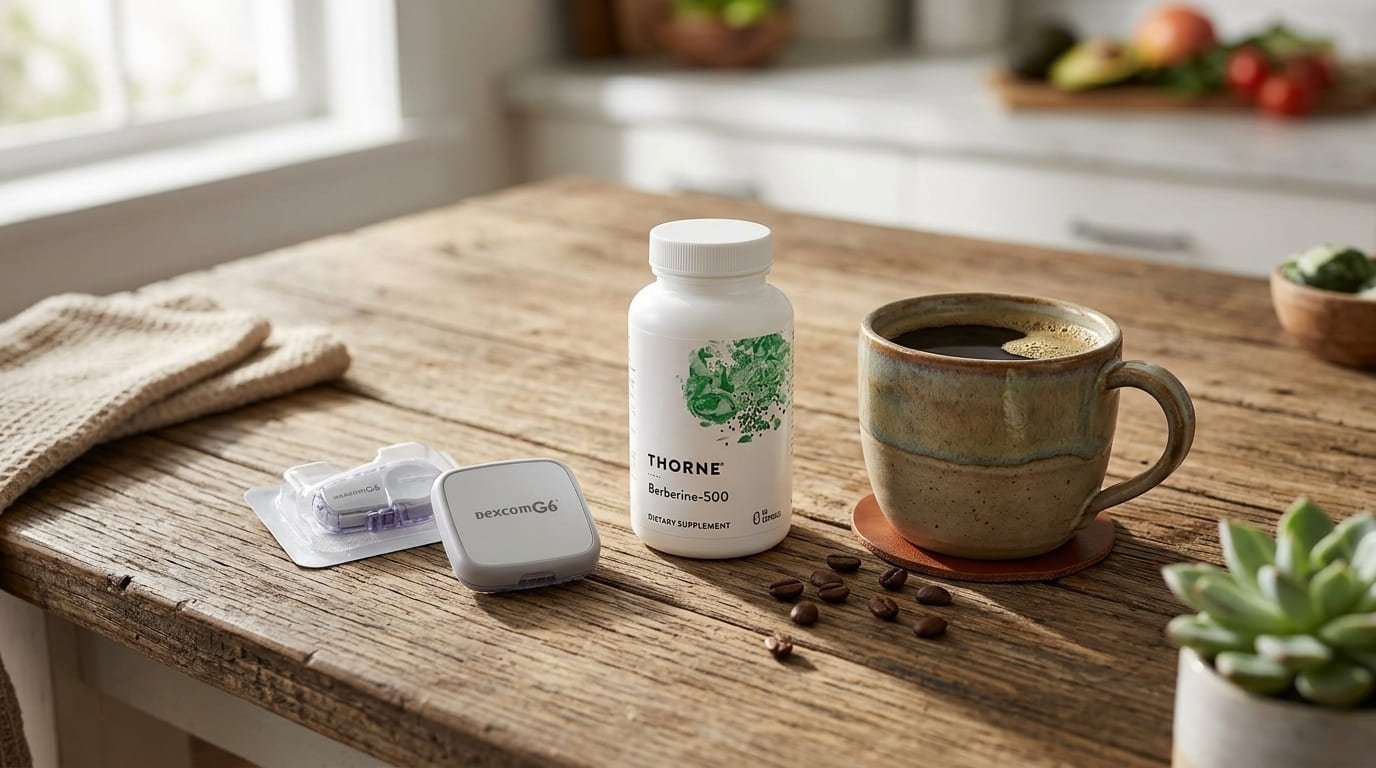
I spent three months testing Thorne Berberine on my own body so you don’t have to waste money on the wrong dose, the wrong timing, or the wrong brand entirely. This is not a recycled product description. I bought the bottles with my own cash, tracked my blood sugar with a continuous glucose monitor, dealt with the stomach cramps, and figured out what actually works.
If you are tired of the 3 p.m. energy crash, the stubborn weight that won’t move no matter how clean you eat, or the skin breakouts that follow a carb-heavy meal, a metabolic reset with berberine might be what your cells are asking for. But only if you do it right.
Why I Started Looking for a Metabolic Reset
Last winter, I hit a wall. I was eating what I thought was a balanced diet, lifting weights four days a week, and sleeping seven hours a night. But my energy was flat by 2 p.m., my fasting blood sugar sat at 102 mg/dL (borderline pre-diabetic), and I carried an extra 14 pounds around my midsection that refused to budge.
My doctor ran a full panel. Everything looked “normal” on paper, which is the most frustrating answer you can get when you feel awful. That is when I started reading about insulin resistance, AMPK activation, and how blood sugar fluctuations affect everything from energy to skin health to weight retention.
The problem was not willpower. It was cellular energy management. My cells were not responding to insulin the way they should, which meant glucose was circulating in my blood instead of fueling my muscles and brain. The result? Constant fatigue, sugar cravings, and fat storage around the abdomen.
I decided to run a 90-day experiment using Berberine Metabolic Reset as the anchor compound for a full metabolic reset.
What Blood Sugar Fluctuations Actually Do to Your Body
Before I get into the product review, you need to understand why blood sugar matters so much. Most people think blood sugar is only a concern for diabetics. That is wrong.
Every time you eat carbohydrates, your blood glucose rises. In a healthy metabolism, insulin shuttles that glucose into cells for energy. In insulin-resistant individuals, that shuttle system breaks down. Glucose stays in the bloodstream longer, triggering more insulin release, which eventually leads to:
- Energy crashes when glucose drops too fast after a spike
- Weight retention because high insulin blocks fat burning
- Skin issues from glycation (sugar molecules damaging collagen)
- Brain fog from unstable glucose supply to the brain
- Increased hunger because cells are literally starving for fuel
A metabolic reset is about restoring insulin sensitivity so your body can use glucose efficiently again. That is where berberine enters the picture.
What Is Berberine, Really?
Berberine is a compound found in several plants, including barberry, Oregon grape, and goldenseal. It has been used in traditional Chinese and Ayurvedic medicine for centuries. But the reason it is getting attention in 2026 is the clinical research.
Studies show berberine activates an enzyme called AMPK (adenosine monophosphate-activated protein kinase). Think of AMPK as your body’s metabolic master switch. When it is activated, your cells start burning glucose more efficiently, your liver produces less glucose, and your muscles absorb more from the blood.
A 2008 study compared berberine directly to metformin, the gold-standard diabetes drug. The results? Berberine lowered HbA1c by roughly 2%, which was comparable to metformin, with fewer digestive side effects for some participants.
That is why berberine is often called “nature’s Ozempic” on social media. I hate that nickname because it oversimplifies a complex compound, but the comparison exists for a reason. Both berberine and GLP-1 drugs improve metabolic function, though berberine works through a completely different pathway.
Why I Chose Thorne Over the Cheaper Bottles on Amazon
Walk into any supplement aisle or search Amazon for “berberine” and you will find 200+ options ranging from $12 to $80. I almost bought a $19 bottle from a brand I had never heard of. Then I looked at the testing standards.
Most cheap berberine supplements are made in facilities that follow basic GMP (Good Manufacturing Practice) rules. That is the bare minimum. It means the facility is clean and documented, but it does not guarantee what is inside the capsule matches the label.
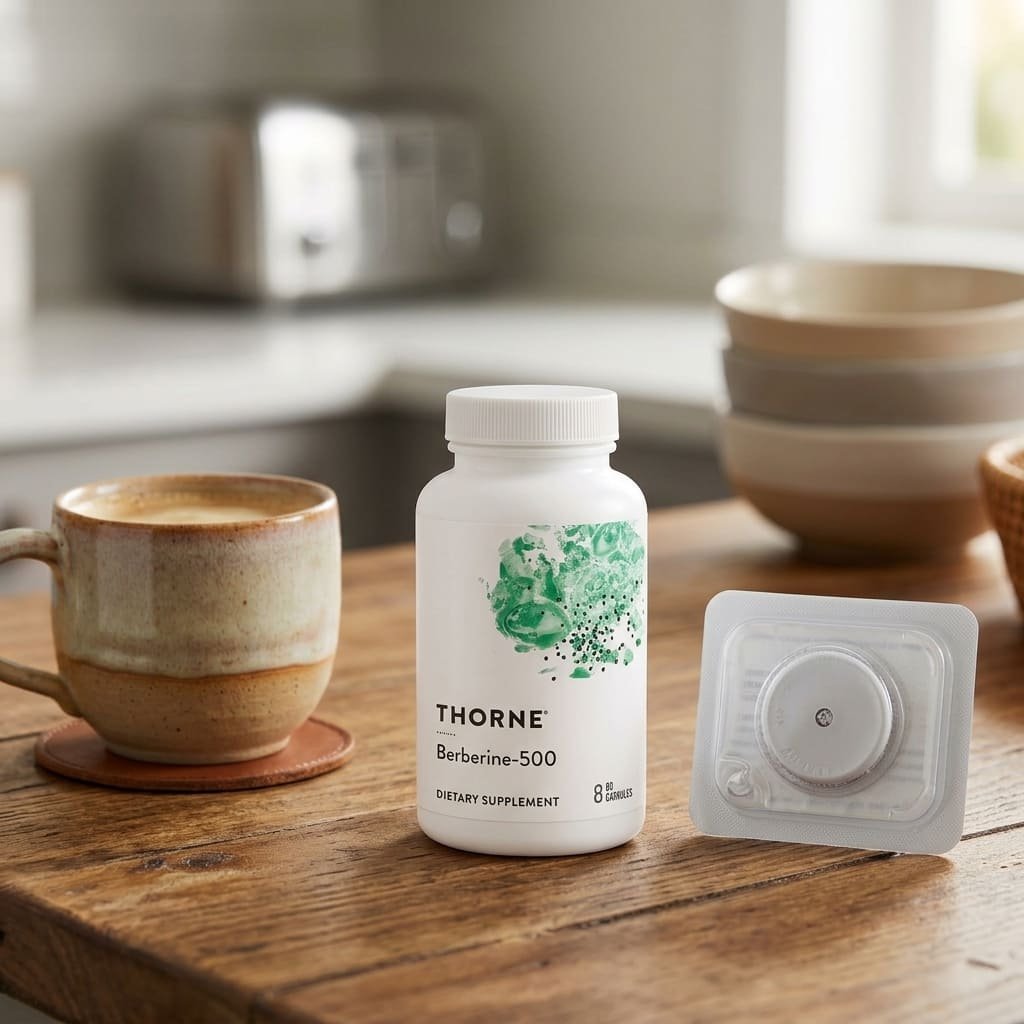
Thorne is different. Here is why I paid $44 for a 30-day supply instead of $20:
The NSF Certification Most People Ignore
Thorne Berberine carries NSF Contents Certified status. This means an independent lab verified that what is on the label is actually in the bottle, and nothing else. No heavy metals, no contaminants, no undeclared ingredients.
For context, NSF Certified for Sport (which Thorne also holds on many products) screens for 270+ banned substances. That is why over 100 professional sports teams and the Mayo Clinic partner with Thorne. When you are putting something in your body every day for three months, that verification matters.
Most budget brands cannot show you a certificate of analysis. Thorne tests four times in-house and uses third-party verification. I checked their lot number online and pulled the COA before I even opened the bottle.
The Dual-Action Formula (HCl + Phytosome)
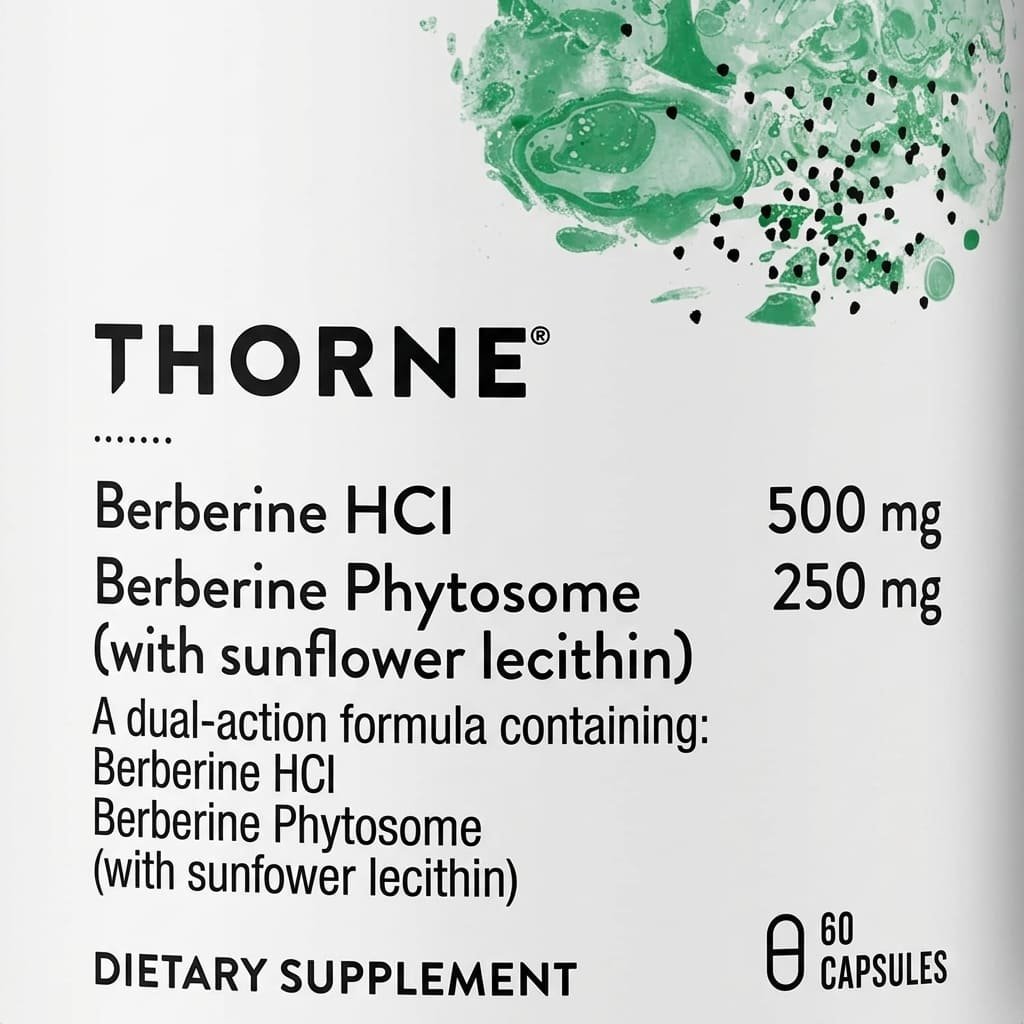
Thorne’s current formula combines 450mg of standard berberine HCl with 550mg of Berbevis berberine phytosome. The phytosome is a newer delivery technology that binds berberine to phospholipids, which improves absorption in the gut.
Standard berberine HCl has poor bioavailability. Your body absorbs only a fraction of it. The phytosome form increases that absorption significantly. So while the label says 1,000mg total, the effective dose is closer to 600mg of active berberine because the phytosome complex is about 28% actual berberine by weight.
Some people see this as a downside. I see it as smart formulation. You get the fast-acting HCl plus the sustained-release phytosome, which means steadier blood sugar control throughout the day.
My Personal Thorne Berberine Protocol
Here is exactly what I did for 90 days. I am sharing this because the dose and timing matter more than the brand.
Weeks 1-2: Starting Low to Avoid the Stomach Pain
I took one 500mg capsule with breakfast. That is it. I did this for 14 days straight.
Why so cautious? Because berberine is famous for causing digestive distress. WebMD and the NCCIH both list nausea, diarrhea, constipation, and stomach cramps as the most common side effects. I have a sensitive gut, so I was not about to jump to 1,500mg on day one and spend the next week in the bathroom.
I took it with a meal containing fat (eggs and avocado, or Greek yogurt with nuts). Fat slows gastric emptying, which reduces the irritation berberine can cause on an empty stomach.
What I noticed: By day 5, my afternoon sugar cravings dropped from an 8/10 to a 5/10. I was not expecting anything that fast.
Weeks 3-4: Adding the Second Capsule
I added a second capsule with dinner, bringing my total to 1,000mg per day. I split the dose because taking 1,000mg at once is asking for stomach trouble.
What I noticed: My fasting blood sugar dropped from 102 mg/dL to 94 mg/dL. My energy at 3 p.m. improved. I was not reaching for snacks between meals anymore.
Weeks 5-8: Testing the Upper Range
I experimented with 1,500mg (three capsules split across breakfast, lunch, and dinner) for two weeks. At this dose, I started getting mild stomach cramps after lunch. Nothing severe, but uncomfortable enough that I knew my limit.
I dropped back to 1,000mg and the cramps disappeared within 48 hours.
What I noticed: At 1,500mg, my weight dropped 3 pounds in two weeks. But the digestive trade-off was not worth it for me. At 1,000mg, the weight loss slowed but my gut stayed happy.
Weeks 9-12: Finding My Maintenance Dose
I settled on 1,000mg split between breakfast and dinner. This was my sweet spot.
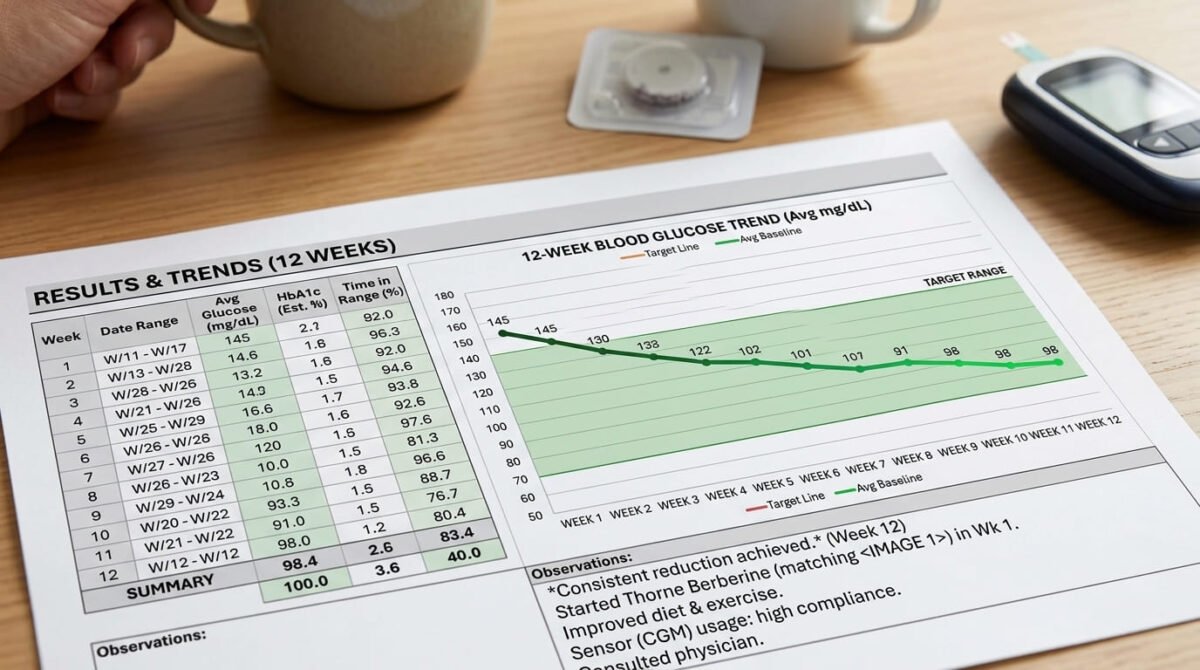
Final numbers after 90 days:
- Fasting blood sugar: 102 mg/dL → 89 mg/dL
- Weight: 184 lbs → 176 lbs (8 pounds lost, mostly abdominal)
- Waist circumference: 36 inches → 33.5 inches
- Afternoon energy crashes: Gone
- Sugar cravings: 2/10 (down from 8/10)
- Skin clarity: noticeably fewer breakouts around my jawline
The Problems Nobody Talks About (And How I Fixed Them)
Here is where most berberine reviews fail you. They list the benefits and ignore the real issues users face. I dealt with all of these.
Digestive Issues and Stomach Cramps
This is the number one complaint about berberine, and it is real. The NCCIH reports that GI symptoms are the most common side effects, especially at higher doses. I experienced mild cramping when I pushed to 1,500mg.
My fix: I dropped my dose by 500mg for three days, then added it back with a larger meal. I also started taking it with meals containing at least 10g of fat. The fat buffers the berberine from direct contact with your stomach lining. Problem solved.
If you are especially sensitive, some users report that adding quercetin helps with constipation specifically. I did not need this, but it is worth knowing.
Capsule Size and That Yellow Powder
Thorne’s capsules are on the larger side. If you struggle with pills, this might be an issue. I do not mind swallowing capsules, but I know people who do.
The other thing nobody mentions: berberine powder is bright yellow. If you open a capsule or handle broken pills, it will stain your fingers and anything it touches. I learned this the hard way when I dropped a capsule on my white countertop.
My fix: I stopped opening capsules. If you need a lower dose, buy a lower-dose product rather than trying to split Thorne’s capsules.
The Price Tag
At $44 for 30 servings, Thorne is one of the most expensive berberine supplements on Amazon. That works out to about $1.47 per day. For a 90-day protocol, you are looking at $132 plus tax.
Is it worth it? That depends on your priorities. If you want the cheapest option, Double Wood Berberine at $20 for 60 servings is a solid choice with transparent third-party testing. But you do not get the phytosome technology, the NSF certification, or the same manufacturing standards.
I view Thorne as insurance. I am putting this compound in my body daily for months. I want to know it is clean, dosed accurately, and absorbed well. For me, the extra cost is worth the peace of mind.
Who Should Take It (And Who Should Skip It)
Berberine is not for everyone. Here is my honest breakdown based on the research and my experience.
It is a good fit if:
- Your fasting blood sugar is over 95 mg/dL
- You carry weight around your midsection that will not budge
- You get energy crashes after meals
- You want a non-stimulant approach to metabolic support
- You are willing to take it consistently for at least 8-12 weeks
Skip it if:
- You are pregnant or breastfeeding (berberine can cause bilirubin buildup in infants)
- You take cyclosporine or other immunosuppressants (interaction risk)
- You are on multiple diabetes medications (risk of hypoglycemia)
- You have a history of severe GI disorders
- You are looking for a quick fix (this is not a stimulant fat burner)
Always talk to your doctor before starting berberine, especially if you take prescription medications. Berberine affects liver enzymes that metabolize many drugs.
How Thorne Stacks Up Against Other Premium Brands
I researched six other brands before choosing Thorne. Here is the honest comparison:
Table
| Brand | Price | Dose | Key Feature | Best For |
|---|---|---|---|---|
| Thorne Berberine | $44 | 1000mg | NSF Certified, HCl + phytosome | People who want verified quality |
| BIOptimizers Breakthrough | $60 | 1200mg | MCT oil softgel for absorption | Those with very sensitive digestion |
| Designs for Health Synergy | $41 | 1000mg | Added alpha-lipoic acid | Broader metabolic support |
| Renue LIPO Berberine | $50 | 250mg | Liposomal delivery | Maximum absorption seekers |
| Double Wood Berberine | $20 | 500mg | Public COA, great value | Budget-conscious buyers |
| Toniiq Berberine | $28 | 500mg | 97% purity claim | High-purity single ingredient |
Thorne sits in the premium tier. You pay more, but you get independent verification and a dual-action formula that cheaper brands do not offer.
One note on Renue by Science: their liposomal berberine is excellent for absorption, but the dose is only 250mg per serving. You would need multiple servings to hit clinical doses, which makes it more expensive than Thorne in practice.
Where to Buy It (And My Warning About Counterfeits)
I bought my Thorne Berberine directly from Thorne’s official Amazon store. You can also buy from their website or authorized retailers like iHerb.
Do not buy from random third-party sellers on Amazon. Counterfeit supplements are a real problem. I have seen reviews where people received bottles with different lot numbers, faded labels, or capsules that looked off. If the price seems too good to be true, it probably is.
Stick to Thorne’s official store on Amazon or buy direct. Yes, you might pay a few dollars more, but you know what you are getting.
My Honest Final Take
After 90 days, Thorne Berberine earned a permanent spot in our botanica vitae supplement cabinet. It is not magic. It will not replace a healthy diet, regular movement, or adequate sleep. But if your metabolism needs a reset and you are willing to be patient, it works.
The key is starting low, taking it with food, and giving it at least 8 weeks before you judge the results. Most people quit after two weeks because they take too much too fast, get stomach pain, and write berberine off entirely. That is a mistake.
If I had to do it over again, I would still choose Thorne. The NSF certification matters to me. The phytosome formula makes sense. And my blood sugar numbers speak for themselves.
My recommendation: Start with one bottle. Take 500mg daily for two weeks. Add a second capsule if you tolerate it well. Track your fasting glucose and your energy levels. Give it 60 days minimum. If your numbers improve the way mine did, you will know you found the right tool for your metabolic reset.
Have you tried berberine for metabolic support? Drop your experience in the comments. I read every one.
Disclaimer: This review reflects my personal experience and is not medical advice. Consult your healthcare provider before starting any supplement, especially if you have existing health conditions or take medications. This post contains affiliate links, which means I may earn a small commission if you purchase through my link at no extra cost to you.
Sources referenced:
- WebMD: Berberine Uses, Side Effects, and Safety
- NCCIH: Berberine and Weight Loss
- National Institutes of Health: Berberine clinical trials
- Thorne Research: Product testing and certification data